
Choosing the best paint colors for Denver homes is never just about what looks good on a tiny swatch.
In Denver, color behaves differently. Strong sunlight, high altitude, changing seasons, and a mix of home styles all affect how paint reads on the wall.
That is exactly why the best paint colors for Denver homes in 2026 are not simply the loudest trends on the internet.
The strongest choices this year balance style with livability.
For Denver homeowners, that direction makes sense.
Homes here often need colors that can handle intense natural light, complement stone, brick, stucco, and wood elements, and still feel current without looking dated too quickly.
This guide breaks down the best paint colors for Denver homes in 2026, explains why they work so well locally, and shows how to choose the right direction for your home.
What Is Influencing Denver Paint Color Choices in 2026?
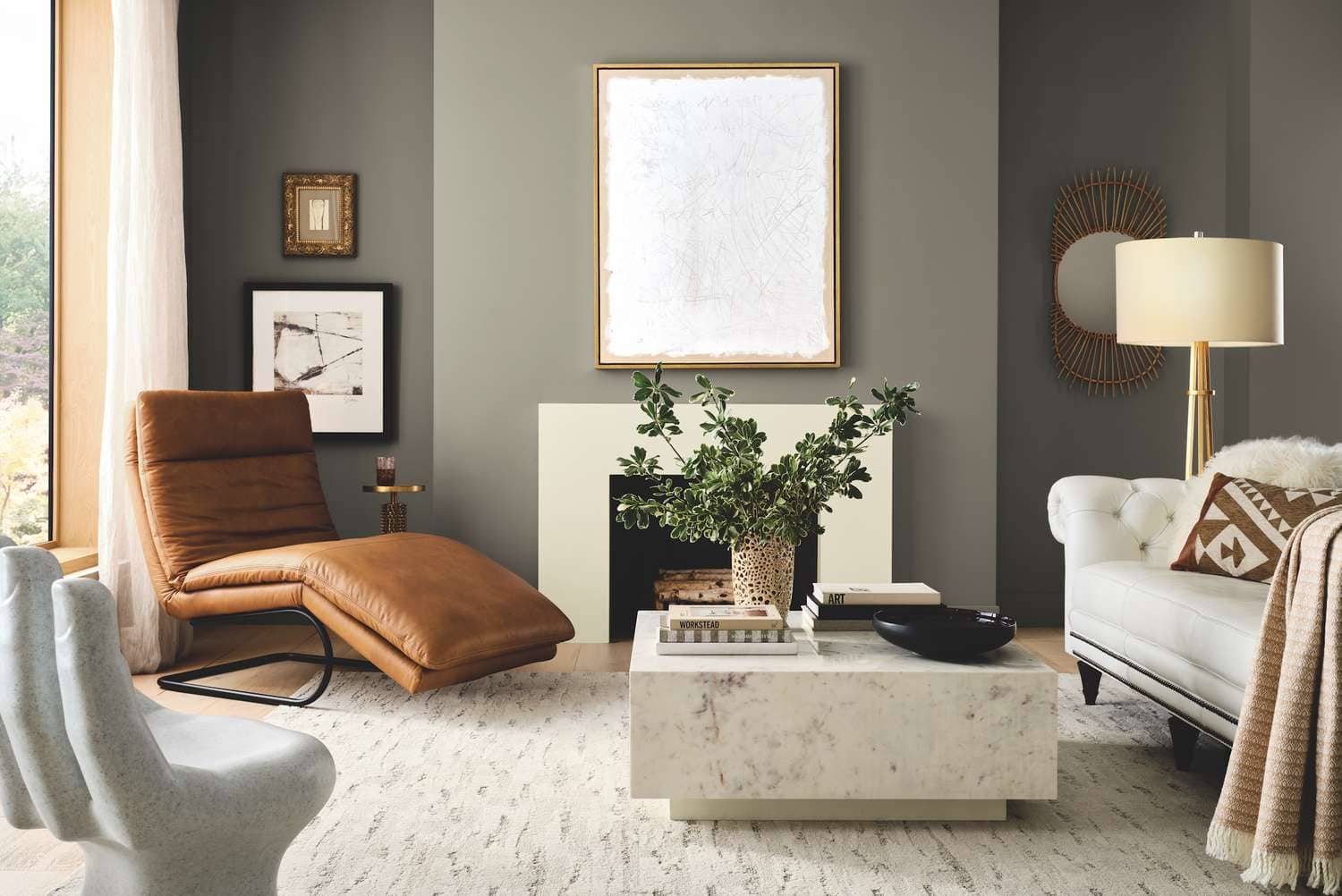
The biggest 2026 shift is toward colors that feel grounded.
Across the current design direction, the themes are warmth, earthiness, softness, and colors that feel easy to live with. Instead of icy whites and overly sharp grays, the broader direction is leaning toward warmer off-whites, beige-tinted neutrals, muted green families, softened blues, and richer natural accents.
Denver happens to be a great match for that palette direction.
Many Denver homes already sit within a visual environment of warm soil tones, dry landscape textures, blue sky, mountain light, and natural stone. That means earthy and softened colors tend to feel more natural here than paint choices that are extremely cold, bright, or artificial.
Another factor is durability in appearance.
In strong sunlight, high-contrast or overly cool colors can sometimes feel harder, brighter, or flatter than expected. Denver homeowners often end up happier with colors that have a little softness built in from the start.
1. Warm Whites
If you want one of the safest and strongest answers to the question of the best paint colors for Denver homes, start with warm whites.
In 2026, warm whites are outperforming stark, clinical whites because they feel cleaner, softer, and more welcoming.
For Denver homes, warm whites work especially well because they do not glare as harshly in strong sun.
A pure bright white can look almost too sharp outdoors here, especially on large elevations. Indoors, it can also feel a bit stark when south-facing rooms get flooded with light. A warm white with subtle cream, beige, or soft taupe undertones usually gives a more settled look.
These shades work well for:
Living rooms
Open-concept main floors
Stucco exteriors
Trim paired with warmer body colors
Kitchens that need brightness without feeling cold
They are also flexible.
Warm whites pair beautifully with wood, black fixtures, soft green accents, stone fireplaces, and natural flooring. If a homeowner wants something timeless that still feels updated for 2026, this is often the right first move.
2. Soft Greige and Beige-Toned Neutrals
Gray is not completely gone.
But in 2026, the better version of gray is softer, warmer, and more blended.
That is why greige and beige-based neutrals remain some of the best paint colors for Denver homes.
These shades are practical because they bridge modern and traditional styles. A Denver bungalow, a suburban two-story, a newer stucco home, or a mountain-influenced exterior can all wear this kind of color well.
They also fit Denver’s visual environment.
Soft greige tends to work nicely with roofing, masonry, concrete, and surrounding landscape elements. It can warm up a modern exterior without making it feel old-fashioned. Inside, it creates a calm background that works with many furniture styles.
This family is especially useful for homeowners who want:
A resale-friendly direction
A neutral that feels richer than basic gray
A color that works across many rooms
A body color for exteriors that will not feel too trendy
In many cases, this is the sweet spot between safe and stylish.
3. Earthy Khaki and Sand-Inspired Midtones
One of the clearest 2026 signals is the return of earthy midtone neutrals.
For Denver homes, these colors make a lot of sense.
They echo the natural palette that already exists around the city and surrounding areas. They also hold up visually better against intense sun than some lighter, cool neutrals, which can wash out.
Earthy khaki, sand, and warm tan colors are especially strong for:
Exterior body color on stucco or siding
Southwest-influenced homes
Homes with stone accents
Interior spaces that need warmth without going dark
Entryways that need depth but still feel neutral
This family feels especially right in 2026 because it is current without looking forced.
It reads naturally, steadily, and is easy to live with. That matters for homeowners who want their home to look updated for years, not just for one season.
4. Muted Sage and Soft Olive Greens
Green remains one of the most important color families in 2026.
Among the best paint colors for Denver homes, muted sage and soft olive deserve a top spot.
These shades add color to a space or to an exterior without feeling loud. They connect beautifully with Denver’s dry landscape, trees, stone, and mountain-adjacent aesthetic. They also pair well with warm whites, cream trim, darker bronze accents, and natural wood.
Inside the home, sage works well in:
Bedrooms
Bathrooms
Kitchens
Home offices
Mudrooms
On exteriors, a muted green can feel distinctive while still staying grounded.
That is an important balance. Many homeowners want some personality, but not a color that will feel risky or overly specific in a few years. Soft olive and sage often deliver that balance better than trendier statement colors.
5. Blue-Green and Mineral-Inspired Tones
Another strong 2026 direction is blue-green.
For Denver homes, this family works well because it reflects both sky and landscape.
A softened blue-green can look fresh indoors without becoming icy. On a front door, cabinetry, or even certain exteriors, it can bring color while still feeling refined.
This is often a strong option for homeowners who want:
More personality than beige or white
A color with a calm feel
A modern but not overly trendy accent
A shade that works with stone, wood, and black accents
In 2026, the better versions of blue are not harsh primary blues.
They are dustier, softer, more mineral, and more connected to natural surroundings.
6. Dusty Blue and Muted Denim Tones
Blue still matters in 2026, but the winning tones are softer and more livable.
In Denver, dusty blue can be an excellent accent color.
It works beautifully on front doors, powder rooms, bedrooms, built-ins, and even select exteriors when paired with warm trim and grounded neutrals. Because Denver light can intensify cool tones, it is usually best to avoid blues that are too crisp or too saturated.
A muted denim-like blue often feels more stable.
It gives color without shouting. That makes it a smart choice for homeowners who want style without visual fatigue.
7. Clay, Terracotta, and Sun-Baked Accent Shades
Not every Denver home should be painted clay or terracotta from top to bottom.
But as accent colors, these warmer earth shades are becoming more relevant in 2026.
For Denver, these tones can work very well in the right places.
They often feel especially natural on front doors, small feature areas, powder rooms, or design-forward spaces where a homeowner wants warmth and character. Because the local environment already contains dry, sun-warmed earthy tones, these shades can feel connected rather than random.
The key is restraint.
A little clay can feel stylish and current. Too much can overwhelm the home. Used carefully, though, this family can give a Denver property a lot of personality in 2026.
8. Charcoal, Deep Bronze, and Near-Black Accents
One color family that still works beautifully in 2026 is the dark accent.
Even as main-body colors soften, rich dark trim and accent tones remain useful for contrast.
For Denver homes, dark accents often look best when used selectively.
Think:
Front doors
Shutters
Window trim
Railings
Built-ins
Cabinet islands
Rather than a harsh pure black everywhere, many homeowners now prefer charcoal, smoked bronze, or softened near-black tones. These shades still provide contrast, but they feel slightly warmer and more architectural.
That makes them easier to pair with the 2026 palette of warm whites, greiges, khakis, and greens.
Exterior Color Directions That Work Especially Well in Denver
When it comes to exteriors, the best paint colors for Denver homes should do three things.
They should look good in the strong sun.
They should complement common local materials.
And they should stay visually balanced through seasonal change.
In 2026, some of the strongest exterior directions for Denver are:
Warm off-white with deep contrasting trim
Soft greige with stone or black accents
Khaki-beige with cream trim
Muted sage with warm white trim
Dusty blue-gray accents on doors or shutters
These combinations tend to feel current without being extreme.
They also support curb appeal in a way that feels appropriate for Denver neighborhoods, where homes range from historic and traditional to clean-lined and modern.
Interior Color Directions That Work Especially Well in Denver
Indoors, Denver homeowners usually benefit from the same overall principle:
Choose colors that cooperate with light rather than fight it.
Because sunlight can be strong and directional here, a paint color that looks soft online may appear brighter, warmer, or cooler in person.
Some of the most effective 2026 interior directions for Denver homes include:
Warm white for common areas
Soft greige for hallways and open plans
Muted green for bedrooms and baths
Blue-green for offices or cabinetry
Clay or earthy accent tones in smaller feature areas
These colors tend to create a sense of comfort without making the space feel dull.
They also layer nicely with wood floors, stone counters, black hardware, woven textures, and natural-fiber decor, all of which fit the broader 2026 move toward earthy, grounded interiors.
Colors Denver Homeowners Should Be More Careful With
Not every trendy shade performs well in Denver.
Very icy whites can look glaring.
Very cool grays can feel flat or dated.
Extremely saturated colors can become visually exhausting under strong light.
And some cool tones can shift more blue than expected.
That does not mean you cannot use bold color.
It just means bold color usually works better as an accent than as the default for every major surface.
In most cases, Denver homes benefit from a palette that includes some softness, whether that comes from warmer undertones, dustier saturation, or more natural color inspiration.
How to Choose the Right 2026 Color for Your Home
The best paint colors for Denver homes are not chosen in isolation.
They should reflect your home’s fixed features, light exposure, and style. That includes:
Roof color
Stone or brick elements
Flooring
Cabinet tone
Amount of natural light
Neighborhood character
Interior furnishings
Architectural style
A color that is perfect for a shaded historic home may not be right for a sun-soaked modern exterior.
A warm neutral that looks beautiful in one room may turn too yellow in another.
That is why the smartest move is often to narrow your direction to a color family first, not to a single paint chip.
For 2026, the best families to start with are:
Warm white
Soft greige
Earthy khaki
Muted sage
Blue-green
Dusty blue
Clay accent
Soft charcoal
That gives you a stylish starting point without forcing the wrong exact color too early.
The best paint colors for Denver homes in 2026 are not random trend picks.
They are colors that work with Denver light, local architecture, and the more grounded design direction taking shape this year. Right now, the strongest choices are warm whites, softened greiges, earthy khakis, muted greens, blue-green tones, dusty blues, selective clay accents, and rich dark contrast shades.
For many homeowners, the winning color is not the one that looks most dramatic online.
It is the one that feels balanced on the actual home, in actual Denver light, across all parts of the day.
If you want your home to feel current in 2026 without chasing short-term trends, start with color families that feel natural, warm, and livable.
That is where Denver homes look their best.
Choosing the best paint colors for Denver homes in 2026 means finding shades that match local trends, complement your architecture, and hold up beautifully in Colorado’s bright, changing climate. From warm neutrals to modern earthy tones, the right color adds lasting value. Paint Craft helps homeowners select finishes that feel current, stylish, and timeless.
FAQs
1. What are the best paint colors for Denver homes in 2026?
The top directions are warm whites, soft greige, earthy khaki, muted sage, blue-green tones, dusty blues, clay accents, and charcoal contrasts. Those families align with current 2026 trends and also work well with Denver light and architecture.
2. Are cool gray paint colors still popular in Denver?
They are less dominant than before. In 2026, warmer and more grounded neutrals are generally stronger choices than flat cool gray, especially in Denver, where light can make cool tones feel even cooler.
3. Do paint colors look different in Denver than in other cities?
Yes. Denver’s altitude, sunlight, and seasonal light shifts can change how colors read throughout the day, with warm tones appearing warmer and cool tones shifting toward blue.
4. What exterior colors work best for Denver homes?
Warm off-white, greige, khaki-beige, muted sage, and carefully used dark accents are all strong choices. These colors tend to balance curb appeal, local materials, and Denver’s high-UV conditions well.
5. How should I test paint colors before choosing one?
Test larger samples on the actual walls or exterior surfaces and check them in morning, midday, and evening light. That is especially important in Denver because local light can shift color appearance more than many homeowners expect.

Cameron Loughlin is the founder of Paint Craft Co., a new residential and commercial painting company serving Denver and Colorado Springs. With over a decade of hands-on experience, he combines technical craftsmanship with strengths in sales, marketing, and team building. Cameron has learned what homeowners and businesses value most: clear communication, reliability, and superior workmanship. He has built his company to deliver exactly that. His vision marries the professionalism and systems of a larger firm with the personalized attention of a local business. He’s assembling a team of skilled painters who take pride in their craft and a customer-first approach that keeps projects on time, on budget, and stress-free. From complete home transformations to commercial refreshes and specialized work on cabinets, decks, and fences, Cameron focuses on exceptional results and lasting relationships. By streamlining estimates, scheduling, and follow-up, he makes the process transparent. Cameron is committed to trust, consistency, and genuine local community care.