
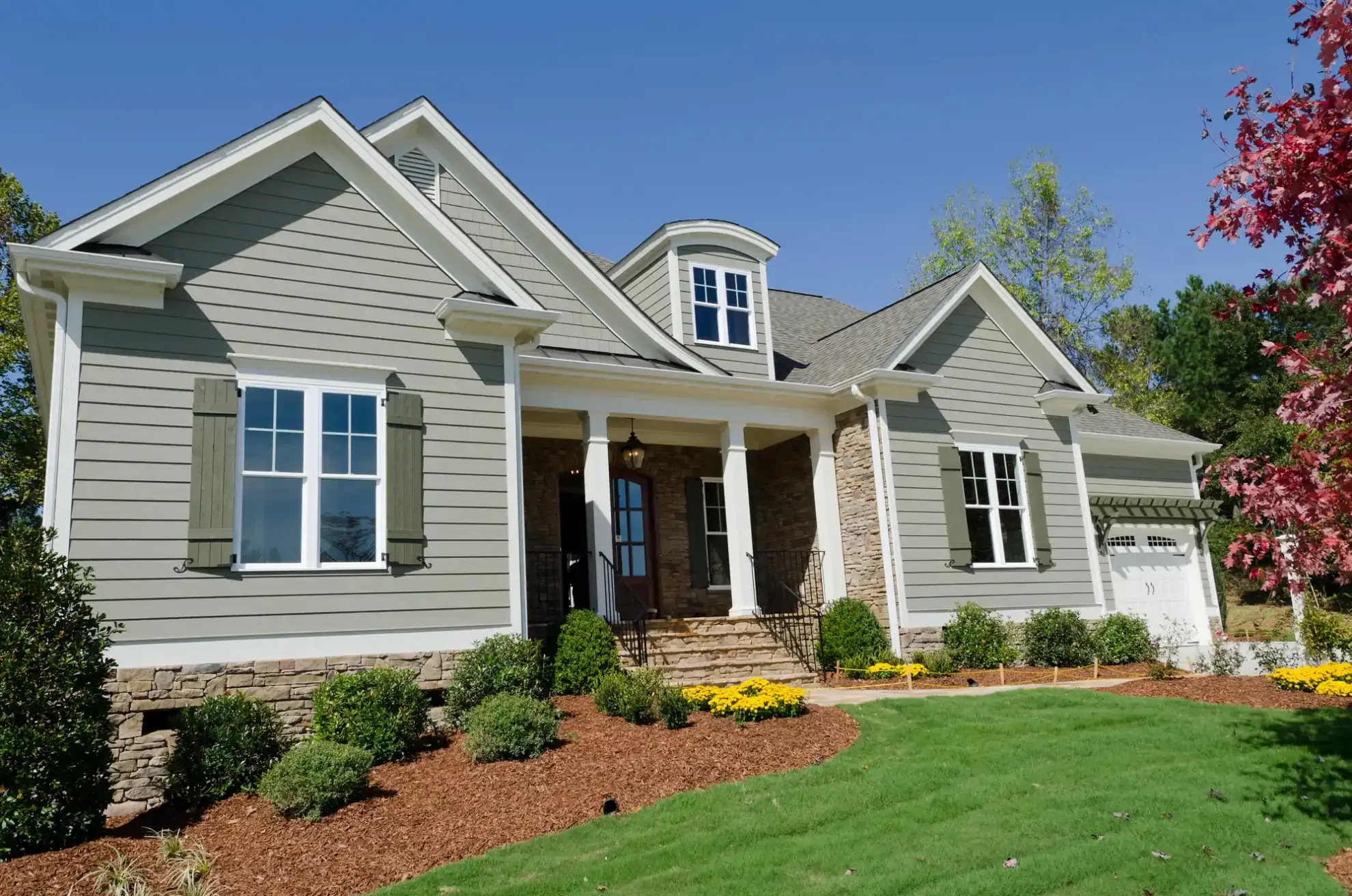
Painting exterior trim, fascia, and soffit protects the most vulnerable, weather-exposed parts of your home and sharpens its whole appearance. The best approach is to repair and prime bare wood, then finish with a durable exterior semi-gloss or satin in a color that complements your siding. Because trim takes the brunt of sun, rain, and snow, it usually needs repainting more often than the walls—and keeping it sealed prevents costly rot.
Here’s what trim, fascia, and soffit are, why painting them matters, and how to get a lasting finish in Colorado’s climate.
What are fascia, soffit, and trim?
Trim is the framing around windows, doors, corners, and edges; fascia is the board running along the roofline where gutters attach; and soffit is the underside panel beneath the roof overhang. Together they finish the edges of your home and seal out weather and pests. They’re small in area but outsized in importance for protection and curb appeal.
Because these elements sit at rooflines and edges, they’re the first to show wear—peeling, cracking, and rot—when paint fails. Keeping them painted is as much about protection as looks.
Why is painting exterior trim important?
Painting exterior trim is important because it seals wood against moisture and UV, preventing rot, warping, and expensive repairs. Fresh paint on fascia and soffit protects the roofline and helps keep water and pests out of the attic and eaves. Cosmetically, crisp trim frames the house and dramatically boosts curb appeal—often the highest-impact part of an exterior paint job.
In Colorado, trim endures intense high-altitude UV, driving snow, and freeze-thaw cycles that work moisture into any crack. Well-maintained trim paint is your first line of defense against that wear.
What paint and finish are best for exterior trim?
Use a quality exterior paint in semi-gloss or satin for trim, fascia, and soffit. Higher sheens are more durable and easier to clean, and they give trim a crisp look that stands out from the siding. Prime any bare or repaired wood first with a quality exterior primer so the topcoat bonds and lasts.
- Semi-gloss — Most durable and washable; the classic trim finish.
- Satin — Slightly softer look, still durable; a popular alternative.
- Primer — Essential on bare wood, patched areas, and stain-prone spots.
Choosing a top-tier product matters in this climate—our guide to the best exterior paint for the Lakewood climate applies to trim as well as walls.
How do you prep trim before painting?
Prep trim by scraping loose paint, sanding rough edges, filling cracks, replacing rotted sections, caulking gaps, and priming bare wood. Fascia and soffit especially need any rot addressed before painting, since paint won’t fix damaged wood. Clean surfaces and sound repairs are what make the new finish last.
What color should you paint your trim?
Trim color usually either contrasts with the siding for a crisp, framed look or matches it for a clean, seamless one. Classic choices are white or off-white trim against a colored body, but darker trim (charcoal, black, deep bronze) is popular for a modern edge. Coordinate with your roof, siding, and any HOA guidelines.
| Approach | Effect |
|---|---|
| White / off-white trim | Timeless, crisp contrast that frames the home |
| Matching / tonal trim | Clean, seamless, understated look |
| Dark trim (charcoal, black) | Modern, high-contrast, architectural |
| Accent front door | Adds a pop of personality |
How often should you repaint exterior trim?
Exterior trim often needs repainting more frequently than siding—sometimes every few years—because it’s more exposed and takes more abuse from sun and weather. Inspect trim, fascia, and soffit annually for peeling, cracking, or bare wood, and touch up or repaint promptly to prevent moisture damage. Catching it early keeps small paint jobs from becoming rot repairs.
For crisp lines, proper prep, and a finish built for Colorado weather, professional exterior painting in Lakewood, CO handles trim, fascia, and soffit as part of a complete exterior.
Protect and sharpen your home’s edges
Trim, fascia, and soffit are small details that make a big difference—both in protecting your home and in how sharp it looks. Ready to refresh yours? Paint Craft Co. can help. Request a free, no-pressure estimate today—Paint Craft Co. proudly serves Denver and Lakewood, CO and the surrounding Front Range communities (Englewood, Golden, Greenwood Village, Highlands Ranch, and Littleton, plus the wider Denver metro). Call (720) 999-9704 or visit our contact page.
Frequently Asked Questions
What is the difference between fascia, soffit, and trim?
Trim is the framing around windows, doors, and edges; fascia is the horizontal board along the roofline where gutters mount; and soffit is the panel on the underside of the roof overhang. Together they finish the home’s edges and seal out weather and pests.
What kind of paint should I use on exterior trim?
Use a quality exterior paint in semi-gloss or satin for trim, fascia, and soffit. These higher sheens are durable, washable, and give trim a crisp look. Always prime bare or repaired wood first with an exterior primer so the finish bonds well and lasts.
Why is painting fascia and soffit important?
Painting fascia and soffit seals the wood against moisture and UV, preventing rot and warping along the roofline and helping keep water and pests out of the attic. It also sharpens curb appeal, since crisp trim frames the whole house.
What color should I paint my exterior trim?
Trim is typically painted to contrast with the siding—classic white or off-white—for a crisp, framed look, or matched to the body for a seamless one. Dark trim like charcoal or black is popular for a modern feel. Coordinate with your roof, siding, and any HOA rules.
How often should exterior trim be repainted?
Exterior trim often needs repainting more often than siding—sometimes every few years—because it’s more exposed to sun and weather. Inspect trim, fascia, and soffit yearly for peeling or bare wood and repaint promptly to prevent moisture from causing rot.

Cameron Loughlin is the founder of Paint Craft Co., a new residential and commercial painting company serving Denver and Colorado Springs. With over a decade of hands-on experience, he combines technical craftsmanship with strengths in sales, marketing, and team building. Cameron has learned what homeowners and businesses value most: clear communication, reliability, and superior workmanship. He has built his company to deliver exactly that. His vision marries the professionalism and systems of a larger firm with the personalized attention of a local business. He’s assembling a team of skilled painters who take pride in their craft and a customer-first approach that keeps projects on time, on budget, and stress-free. From complete home transformations to commercial refreshes and specialized work on cabinets, decks, and fences, Cameron focuses on exceptional results and lasting relationships. By streamlining estimates, scheduling, and follow-up, he makes the process transparent. Cameron is committed to trust, consistency, and genuine local community care.