
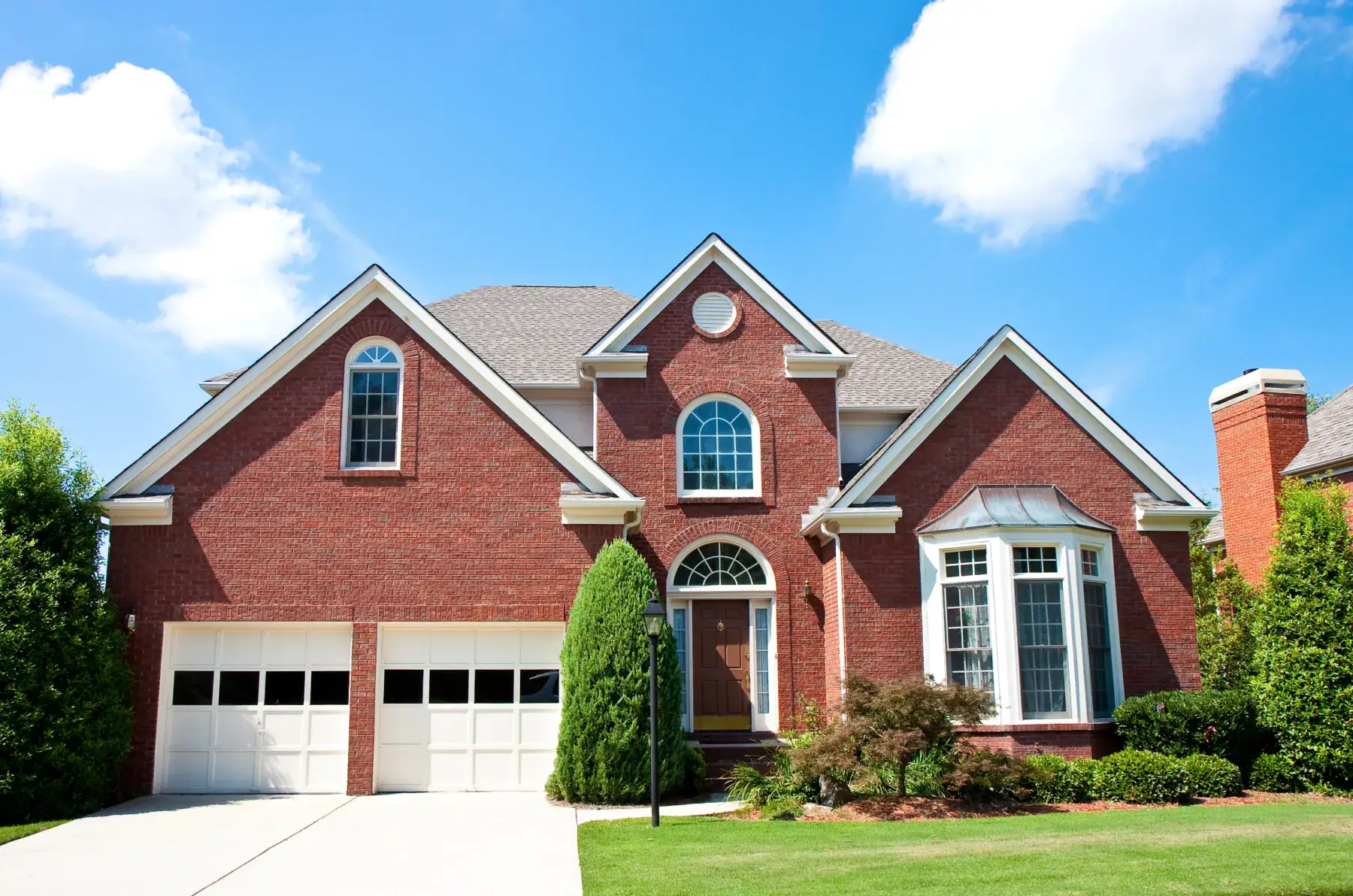
Painting brick can completely change the look of a home.
For Denver homeowners, it can turn an older brick exterior into something cleaner, brighter, and more current. A red, orange, brown, or faded brick home can take on a fresh new style with the right color and finish.
But brick painting is not a simple weekend update.
Brick is porous. It absorbs moisture. It expands and contracts through seasonal temperature changes. It also has mortar joints, texture, and surface variations that make prep more important than many homeowners expect.
So, can you paint a brick house in Denver?
Yes, you can. The real question is whether your brick is in the right condition, whether the prep is done correctly, and whether the right products are used for Denver’s climate.
If you are considering brick painting, Denver homeowners can benefit from understanding the pros, cons, cost factors, and prep steps before making a final decision.
Is Brick Painting a Good Idea in Denver?
Brick painting can be a good idea when the brick is sound, dry, clean, and properly prepared.
In Denver, exterior surfaces are exposed to strong sun, dry air, snow, wind, and freeze-thaw cycles. These conditions can be tough on any exterior finish. That makes brick painting more than just a color decision.
The coating needs to bond well.
The surface needs to breathe properly.
Moisture needs to be controlled before the paint is applied.
When done right, painted brick can look beautiful and last for years. It can make a home look brighter, more modern, and more polished from the street.
When done poorly, it can peel, bubble, crack, trap moisture, or worsen existing masonry problems.
That is why homeowners should look at brick painting as a long-term exterior improvement, not a quick cover-up.
Why Homeowners Paint Brick Houses
Many Denver homeowners choose to paint brick to achieve a new exterior look without replacing the brick itself.
Older brick colors can make a home feel dated. Red brick, orange brick, or multi-tone brown brick may not match the homeowner’s current style. Painting gives the exterior a cleaner and more unified appearance.
Paint can also help tie together different materials.
Some homes have brick on the lower level, siding on the upper level, wood trim, stone accents, or painted garage doors. If these features do not work well together, a new color plan can make the entire exterior feel more balanced.
Brick painting can also help when the original brick has uneven color, stains, repairs, or fading.
Paint should not be used to hide active damage, but it can create a smoother visual finish once repairs and prep are complete.
For many homeowners, curb appeal is the biggest reason. Painted brick can make a house feel brighter, newer, and more in keeping with the rest of the neighborhood while still retaining the strength and texture of masonry.
The Main Pros of Painting Brick
The biggest benefit of painting brick is the visual change.
A home that once looked dark, dated, or heavy can feel fresh and inviting. Light colors can soften the exterior. Dark colors can create a bold, modern look. Warm neutrals can make the house feel classic and timeless.
Another benefit is design control.
Unpainted brick limits your exterior color options. You have to choose the trim, doors, shutters, roofing, and accents to match the existing brick color. Once the brick is painted, the entire palette becomes easier to control.
Painted brick can also help make old repairs less noticeable.
If sections of brick or mortar have been patched over time, the color differences may stand out. A painted finish can help create a more even look after the surface has been repaired.
Painting can also help protect the surface from normal exterior wear when the right coating is used. This does not mean paint makes brick waterproof. Brick still needs the ability to release moisture. But a high-quality exterior coating can help shield the surface from dirt, sun, and weather.
For homeowners already planning exterior painting, adding brick to the project can create a more complete exterior transformation.
The Main Cons of Painting Brick
The biggest downside of painting brick is that it is hard to reverse.
Once the brick is painted, removing the paint can be difficult, expensive, and rough on the surface. Even if the paint is stripped, the brick may not return to its original appearance.
That means brick painting should be treated as a long-term choice.
Another drawback is maintenance.
Unpainted brick can often go many years with very little visual upkeep. Painted brick will need cleaning, touch-ups, and eventually repainting. Denver’s sun, snow, and temperature shifts can affect how the finish ages.
Moisture is another concern.
Brick naturally absorbs and releases moisture. If the wrong paint is used or if the brick is painted while damp, moisture may become trapped behind the coating. This can lead to peeling, blistering, flaking, or masonry damage.
Paint can also highlight surface issues if prep is skipped.
Cracks, loose mortar, stains, chalky residue, and old coatings can all interfere with the finish. The paint may look good at first, but problems can appear later if the surface is not ready.
When Brick Should Not Be Painted
Not every brick house is ready for paint.
If the brick has active moisture problems, painting should wait. Damp areas, white powdery residue, peeling old paint, and soft mortar can all be warning signs.
If the mortar is crumbling or missing in places, repairs should happen before painting. Paint will not hold failing mortar together. It may only hide the problem for a short time.
If brick faces are flaking or breaking apart, that issue needs to be reviewed before coating. This type of damage can be connected to moisture, age, or freeze-thaw stress.
Drainage issues should also be fixed first.
If gutters overflow, downspouts drain too close to the house, sprinklers hit the brick, or water pools near the foundation, these conditions can later affect the painted finish.
A good paint job starts with a sound surface. If the brick is not stable, paint is not the first step.
Paint, Limewash, or Stain: Which Is Better?
Painting brick is not the only way to change its appearance.
Paint gives the most solid color change. It covers the original brick tone and creates a more uniform look. This is often the best choice when the goal is to fully modernize the home or hide a brick color the homeowner strongly dislikes.
Limewash gives a softer finish. It lets some of the brick’s natural texture and variation show through. It can create an aged, relaxed look that feels less solid than paint.
Brick stain changes the color by soaking into the masonry. It usually retains more of the original texture and variation than paint does.
The best choice depends on the look you want.
If you want a clean, solid exterior color, paint may be the right option. If you want a softer, more natural finish, limewash or stain may be a better fit.
Homeowners should also consider maintenance, color expectations, surface condition, and how much of the original brick character they want to retain.
Cost Factors for Brick Painting in Denver
The cost of brick painting in Denver depends on several factors.
The first factor is the size of the home. A larger brick surface requires more labor, masonry, maintenance, masking, and mime.
The second factor is the condition of the brick.
Clean, solid brick is easier to prep. Bricks with cracks, stains, loose mortar, old paint, or moisture problems will take more work before painting can begin.
The third factor is texture.
Brick is rough and porous. It absorbs more product than smooth siding. Deep mortar joints, uneven surfaces, and heavy texture can add time to the project.
The fourth factor is access.
Tall walls, steep grades, tight side yards, landscaping, fences, decks, and rooflines can all affect how difficult the project is.
The fifth factor is color change.
Going from dark red brick to a light cream or white may require more coats than choosing a medium or darker shade. Strong color changes often need more product and more careful coverage.
Product quality also matters.
Brick usually needs a coating system made for masonry and exterior conditions. Cheaper products may lower the upfront price, but they can also raise the risk of early failure.
Why Prep Matters So Much
Prep is one of the most important parts of brick painting.
Brick has texture, pores, and mortar joints. Dirt, dust, mildew, chalky residue, mineral deposits, or loose particles can stop primer and paint from bonding correctly.
The process should start with a close inspection.
The brick should be checked for cracks, damaged mortar, stains, old coatings, water issues, and surface weakness. Any problem areas should be addressed before painting begins.
Cleaning comes next.
The surface must be washed so the coating can bond to clean brick, not dirt or residue. This step is especially important in older homes or walls exposed to dust, landscaping, irrigation, or weather.
Repairs should follow.
Cracks, gaps, loose mortar, and damaged areas need attention before primer is applied. Paint cannot make weak masonry strong.
Drying time is also important.
Brick can hold moisture. After washing or wet weather, the surface needs enough time to dry before coating. Painting too soon can trap moisture and lead to future peeling or bubbling.
Primer is often needed.
A quality masonry primer can help with adhesion and create a better base for the finish coats. It also helps even out absorption across the brick-and-mortar.
The final coating must be applied carefully. Both the face of the brick and the mortar joints need even coverage. Rushed application can leave thin spots, heavy buildup, or uneven texture.
Choosing the Right Paint for Brick
Not every exterior paint is right for brick.
Brick needs a coating that can handle masonry surfaces, exterior weather, and moisture movement. The wrong product can seal the surface too tightly or fail to bond well.
A breathable exterior masonry coating is often preferred because it helps reduce the risk of trapped moisture. The exact product choice depends on the brick’s condition, exposure, and previous coating history.
Primer and paint should also be compatible.
Using a strong finish coat over the wrong primer can still lead to problems. The coating system should work together from the first layer to the final coat.
Denver’s climate should also guide product choice.
Sun exposure, snow, dry air, wind, and temperature swings all affect how exterior paint performs. A product that works well in a mild climate may not be the best choice for a Denver brick home.
This is one reason many homeowners prefer working with professional painters for brick projects. Product selection can make a major difference in how the finish looks and lasts.
Best Colors for Painted Brick in Denver
Color choice can make or break a painted brick project.
Because brick covers a large part of the home’s exterior, the color will have a strong impact from the street.
Warm whites are a popular choice because they brighten the home without looking too cold. Soft cream, off-white, and warm ivory shades can work well with Denver sunlight and natural landscaping.
Greige, taupe, and warm gray can create a calm, modern look. These colors often pair well with black trim, bronze fixtures, wood doors, and neutral roofing.
Charcoal and deep gray can look bold and stylish. These colors work best when the home has strong architectural lines and the surrounding exterior features support a darker palette.
Soft green, muted beige, and earthy tones can also work well for homeowners who want the house to blend with Colorado’s natural setting.
Before choosing a final color, test samples on the actual brick. Look at them in the morning, afternoon, in the shade, and in direct sun.
A color that looks perfect on a small card may look much brighter or cooler once it is on a full wall outside.
How Long Does Painted Brick Last?
Painted brick can last for years when the surface is properly prepared, and quality products are used.
However, the exact lifespan depends on the home.
A wall that gets strong afternoon sun may age faster than a shaded wall. Areas near sprinklers, snow buildup, roof runoff, or heavy landscaping may need attention sooner.
South- and west-facing walls in Denver can take more sun exposure. Lower areas of brick can collect dirt and moisture. Sections under gutters or near downspouts may wear faster if water is not controlled.
Maintenance helps extend the life of painted brick.
Homeowners should keep gutters clear, redirect water away from the house, avoid sprinkler spray on painted walls, and clean the surface when needed.
Small touch-ups should not be ignored. A small peeling spot is easier to fix early than after water gets behind the coating.
Can You Paint Brick Yourself?
Some homeowners think about painting the brick themselves.
For a small brick accent, a garden wall, or a limited exterior area, DIY painting may be possible. But painting a full brick house is much more demanding.
The surface must be cleaned, inspected, repaired, dried, primed, and coated correctly. Every mortar joint needs coverage. Product choice matters. Weather timing matters. Application method matters.
Brick also takes more paint than many homeowners expect because of its texture and porosity.
A DIY job may look acceptable at first, but it may fail early if the surface was not prepared or the wrong product was used.
For a full brick exterior, professional help is usually the better choice. A trained painting team can evaluate the brick, recommend the right approach, and apply the coating more evenly.
What to Expect During a Brick Painting Project
A brick painting project should begin with a surface review.
The painter should look at the brick condition, mortar joints, moisture exposure, previous coatings, access points, and nearby surfaces. This helps determine the right prep plan.
Next, areas around the home are protected.
Windows, doors, lights, walkways, plants, roofing edges, and other surfaces may need to be masked or covered before work begins.
The brick is then cleaned.
Once the surface is clean and dry, repairs can be made. This may include filling cracks, addressing gaps, or repairing mortar areas as needed.
Primer is applied after the brick is ready.
Then the finish coats are added. Depending on the surface, the application may involve spraying, brushing, rolling, or a combination of methods to get even coverage into the texture and joints.
The final step is review and cleanup.
The finished brick should look even, clean, and consistent. Edges should be neat, and nearby surfaces should be left clean.
Is Brick Painting Worth It?
Brick painting can be worth it for Denver homeowners who want a major exterior update and are ready for the maintenance that comes with it.
It is especially useful when the existing brick color feels dated, does not match the homeowner’s style, or clashes with other exterior features.
It can also be a strong choice when the home already needs exterior painting, and the brick is part of a larger design update.
However, it is not the best option for every home.
If the brick has moisture problems, structural issues, or damaged mortar, those concerns should come first. If the homeowner is unsure about committing to painted brick long-term, limewash or stain may be worth reviewing.
The best results come from careful planning.
That means choosing the right color, checking the brick’s condition, using the right products, and making sure prep is handled correctly.
Brick Painting Denver Homes
So, can you paint a brick house in Denver?
Yes, you can.
Painting brick can make a home look cleaner, brighter, and more up-to-date. It can improve curb appeal, create a more unified exterior, and give homeowners more control over color and style.
But brick painting should never be rushed.
The brick must be clean, dry, stable, and ready to accept coating. Moisture issues, damaged mortar, and poor drainage should be fixed before the first coat is applied.
The right coating system is also important. Denver’s sun, snow, wind, and temperature fluctuations can be tough on exterior finishes, so both product choice and prep matter.
For homeowners considering brick painting projects in Denver, Paint Craft Co can help evaluate the exterior, plan the right approach, and create a finish that fits the home’s style and setting.
FAQs
Can you paint any brick house in Denver?
Most brick houses can be painted if the brick and mortar are in good condition. However, homes with moisture issues, spalling brick, or failing mortar should be repaired before painting begins.
Is painted brick hard to maintain?
Painted brick needs more maintenance than unpainted brick. It may need cleaning, touch-ups, and repainting over time, especially on walls exposed to strong sun, snow, or water runoff.
What is the best color for brick painting in Denver homes?
Warm whites, soft grays, greige, taupe, cream, and muted earth tones are popular choices. The best color depends on the roof, trim, windows, landscaping, and how the shade looks in Denver sunlight.
Does painting brick increase curb appeal?
Yes, painting brick can greatly improve curb appeal when the color is chosen well and the work is done properly. It can make an older home look cleaner, brighter, and more current.
Should brick be primed before painting?
In many cases, yes. Brick often benefits from a masonry primer that supports adhesion and creates a better base for the finish coats. The exact prep depends on the brick’s condition and porosity.

Cameron Loughlin is the founder of Paint Craft Co., a new residential and commercial painting company serving Denver and Colorado Springs. With over a decade of hands-on experience, he combines technical craftsmanship with strengths in sales, marketing, and team building. Cameron has learned what homeowners and businesses value most: clear communication, reliability, and superior workmanship. He has built his company to deliver exactly that. His vision marries the professionalism and systems of a larger firm with the personalized attention of a local business. He’s assembling a team of skilled painters who take pride in their craft and a customer-first approach that keeps projects on time, on budget, and stress-free. From complete home transformations to commercial refreshes and specialized work on cabinets, decks, and fences, Cameron focuses on exceptional results and lasting relationships. By streamlining estimates, scheduling, and follow-up, he makes the process transparent. Cameron is committed to trust, consistency, and genuine local community care.