
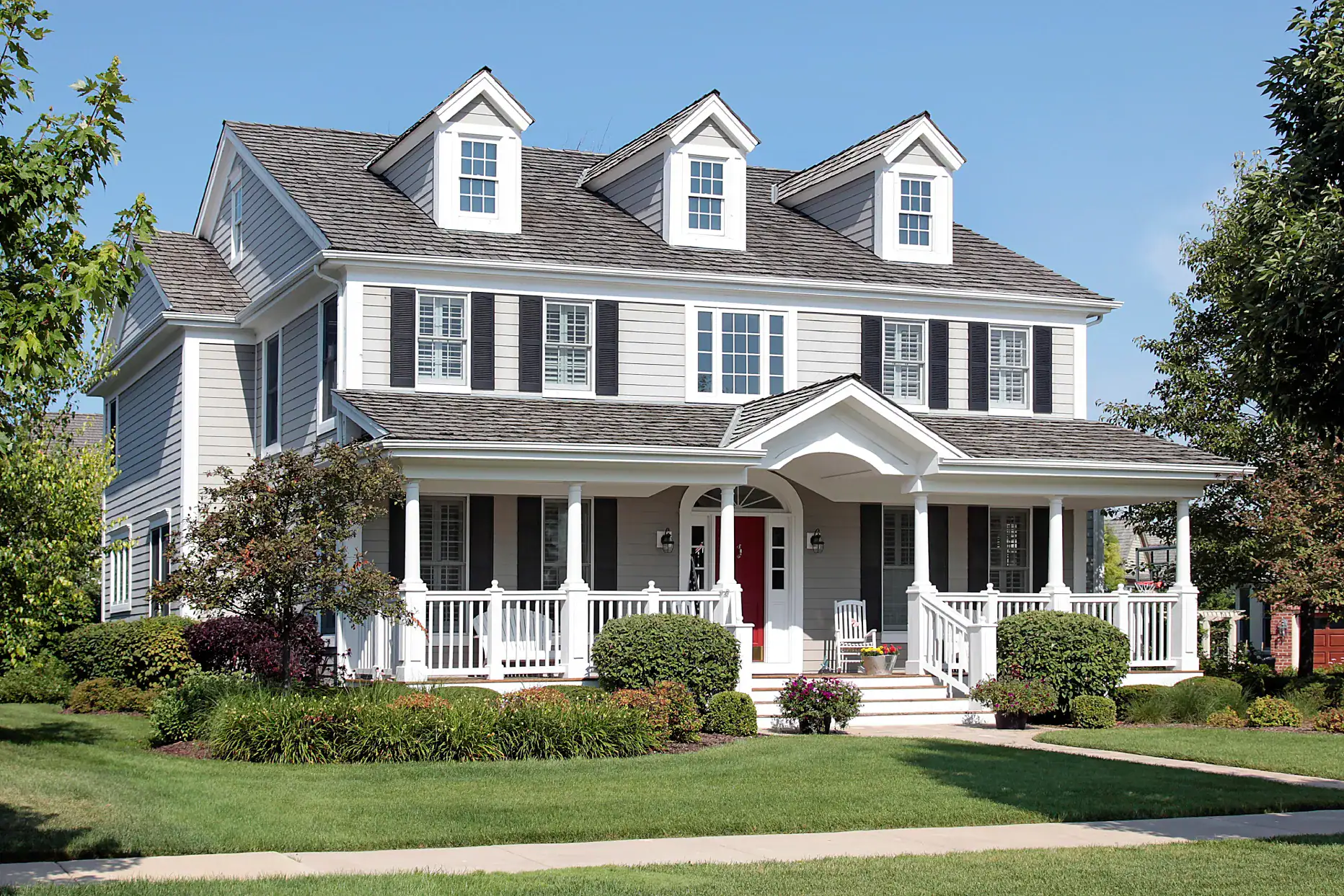
Vinyl siding is common on many Colorado homes because it is durable, affordable, and fairly easy to maintain.
But after years of sun, wind, snow, and temperature swings, vinyl siding can start to fade. A color that once looked clean and fresh may begin to look dull, uneven, or outdated.
That leads many homeowners to ask an important question: Can you paint vinyl siding in Colorado?
Yes, vinyl siding can be painted, but it has to be done carefully.
Painting vinyl siding is not the same as painting wood, brick, stucco, or fiber cement. Vinyl reacts differently to heat. It expands and contracts with temperature changes. It can also warp if the wrong color or paint type is used.
That is why vinyl siding painting in Denver requires the right prep, the right paint, and smart color selection.
A fresh coat of paint can give vinyl siding a new look without the cost of full replacement. However, homeowners need to understand the limits before starting the project.
Is It Possible to Paint Vinyl Siding?
Yes, vinyl siding can be painted when it is in good condition, and the right coating system is used.
Modern exterior paints are available for vinyl surfaces, and many are designed to handle the movement and flexibility of siding. These products can bond well when the surface is properly cleaned, dry, and ready for paint.
However, not every vinyl siding surface is a good candidate.
If the siding is cracked, brittle, loose, severely warped, or damaged, painting may not be the best solution. Paint can improve color, but it cannot repair failed siding.
The siding should also be securely attached to the home. If panels are loose or buckling, those issues should be addressed first.
A good paint job starts with a stable surface. If the vinyl is still in solid condition but simply faded or dated, painting can be a smart option.
Why Colorado Homeowners Paint Vinyl Siding
Many Colorado homeowners paint vinyl siding because replacement can be expensive.
If the siding is still functional, painting may be a more practical way to update the exterior. It can refresh the home, improve curb appeal, and allow the homeowner to choose a more current color.
Fading is another major reason.
Colorado sunlight can be strong, especially at higher elevations. Over time, UV exposure can make siding look washed out. This can happen more noticeably on south- and west-facing walls.
Some homeowners also paint vinyl siding because the original color no longer fits the home’s style.
A beige, tan, pale yellow, or faded blue exterior may not match updated roofing, doors, trim, landscaping, or exterior accents. Painting can bring the whole exterior together.
For homeowners already planning exterior painting, painting vinyl siding can be part of a larger update that includes trim, doors, shutters, garage doors, fascia, and other exterior features.
The Biggest Risk: Heat and Warping
The most important thing to understand about vinyl siding painting is the heat risk.
Vinyl siding can warp when it absorbs too much heat. Dark paint colors absorb more heat than light colors. If vinyl gets too hot, it can bend, ripple, buckle, or distort.
This is why color selection matters so much.
A color that works well on wood or stucco may not be safe for vinyl siding. Darker colors can increase surface temperature, especially on walls that receive direct afternoon sun.
In Denver and other parts of Colorado, sun exposure can be intense. South- and west-facing walls may receive strong sunlight for long periods of the day. That can raise the risk of heat-related movement or warping if the wrong color is chosen.
This does not mean every dark color is off-limits. Some paint products use vinyl-safe color technology that reflects more heat than standard dark colors.
Still, homeowners should not choose a vinyl siding paint color based only on appearance. The color must be compatible with the siding material and the paint system.
Color Limits for Vinyl Siding
Color limits are one of the biggest differences between painting vinyl siding and painting other exterior surfaces.
A general rule is to avoid choosing a color that is much darker than the original siding color.
Vinyl siding is manufactured to withstand a certain amount of heat, depending on its original color. If it was made in a light beige or pale gray, painting it deep charcoal, navy, or black can create heat stress.
This can cause warping or distortion.
A safer approach is to stay close to the original color depth or choose a lighter shade. For example, a light tan siding may be painted soft greige, warm white, light gray, muted taupe, or another lighter neutral.
If a homeowner wants a darker shade, it is important to use a vinyl-safe paint color and confirm that the product is designed for that purpose.
Color selection should also consider the home’s exposure.
A shaded wall may handle heat differently than a wall that gets intense afternoon sun. A color that is safe in one area may not perform the same on a heavily exposed side of the home.
Best Paint Types for Vinyl Siding
Vinyl siding needs paint that can flex and bond to the surface.
A high-quality exterior acrylic paint is often used for vinyl siding because it expands and contracts more readily than some other coatings. Flexibility is important because vinyl expands and contracts with temperature changes.
The paint should also be labeled as suitable for vinyl siding.
This matters because not all exterior paints are designed for vinyl. A standard exterior coating may not perform well if it is too rigid or if it does not bond properly to the surface.
Vinyl-safe formulas are designed to help reduce the risk of warping when used with approved colors. Some are designed to reflect more heat, even in deeper shades.
A good paint for vinyl siding should offer:
Durable exterior performance
Strong adhesion
Flexibility
UV resistance
Mildew resistance
Compatibility with vinyl-safe colors
Primer is not always required on vinyl siding, but it may be needed in certain situations. If the siding is chalky, pitted, weathered, or previously painted, primer may help support better bonding.
The best paint system depends on the condition of the siding and the final color choice.
When Vinyl Siding Should Not Be Painted
Vinyl siding should not be painted if it is in poor condition.
If the panels are cracked, broken, brittle, or severely warped, painting will not solve the issue. In those cases, replacement or repair may be needed before painting is considered.
Very loose siding or buckling should also be checked first. Paint may improve the appearance, but it will not correct installation or movement problems.
Heavy oxidation can also create challenges.
Older siding may develop a chalky surface. This residue must be removed before painting. If it remains on the surface, the paint may not bond well.
Moisture problems should be addressed, too.
If water is getting behind the siding due to failing trim, gaps, leaks, drainage issues, or damaged exterior details, those problems should be fixed before painting.
Painting should only happen after the siding is clean, sound, dry, and ready to accept the coating.
Prep Steps Before Painting Vinyl Siding
Prep is the key to a lasting finish.
Vinyl siding may look smooth, but it can collect dirt, dust, pollen, mildew, chalky residue, and grime. Paint needs a clean surface to bond properly.
The first step is inspection.
The siding should be checked for cracks, warping, loose panels, gaps, moisture issues, and surface wear. Any repairs should be handled before washing or painting.
Next comes cleaning.
The siding should be washed to remove dirt, oxidation, mildew, and debris. This step is especially important on older siding or homes near trees, landscaping, irrigation, or dusty areas.
After washing, the siding needs to dry fully.
Painting over damp siding can lead to poor adhesion. Drying time may vary depending on shade, temperature, airflow, and recent weather.
Masking and protection are also important.
Windows, doors, trim, lights, outlets, landscaping, concrete, and nearby surfaces should be protected before paint is applied.
If primer is needed, it should be applied before the finish coats. The primer must be compatible with both vinyl and the selected paint.
Finally, the paint should be applied evenly, with attention to grooves, seams, edges, and panel laps.
Rushed prep can lead to peeling, streaking, uneven coverage, or early failure.
Why Denver’s Climate Matters
Denver’s climate plays a big role in exterior painting decisions.
The city has strong sun, dry air, wind, snow, and big temperature swings. These conditions can affect how paint cures, bonds, and ages.
Sun exposure is one of the biggest concerns for vinyl siding.
Because vinyl can heat up quickly, the wrong paint color can increase the risk of movement or warping. This is especially important on south- and west-facing sides of the home.
Temperature swings also matter.
Vinyl expands and contracts as temperatures rise and fall. The paint needs enough flexibility to move with the siding without cracking or peeling.
Dry air can affect working conditions, too. Paint should be applied during suitable weather, not in extreme heat, direct intense sun, high wind, or freezing conditions.
Snow and moisture can also affect lower siding sections, shaded areas, and places near roof runoff or landscaping. These areas should be dry and clean before paint is applied.
For vinyl siding painting in Denver, climate-aware planning is one of the most important parts of the project.
Choosing the Right Color for Vinyl Siding
Choosing a vinyl siding color is about more than style.
The color must be safe for the material. It should also fit the home’s architecture, roof, trim, stone, brick, doors, and landscape.
Light and mid-tone colors are often safer choices for vinyl siding. These colors absorb less heat than dark shades and are less likely to create surface temperature problems.
Popular options include:
Warm white
Soft beige
Light gray
Greige
Taupe
Muted sage
Soft blue-gray
Cream
Light clay
Darker colors may be possible, but they require more care. A homeowner who wants charcoal, deep green, navy, or black should choose a vinyl-safe color from an approved paint system.
It is also smart to test samples in the actual home.
Colors can look different in Colorado sunlight than they do on a small sample card. A shade that looks calm indoors may look much brighter outside.
Check the color in morning light, afternoon light, shade, and direct sun before making a final choice.
Should You Paint Vinyl Siding Lighter or Darker?
In most cases, painting vinyl siding the same shade or a lighter shade is the safer option.
Lighter colors reflect more heat and reduce the risk of siding distortion. They also tend to show fading less dramatically than deep colors.
Painting slightly darker may be possible if the product and color are approved for vinyl. However, moving from a very light siding color to a very dark exterior color can be risky.
The original siding color matters because vinyl was designed to handle a certain level of heat absorption.
If the existing siding is white or light beige, switching to dark charcoal may impose excessive heat stress on the material. A safer shift might be from white to warm cream, pale gray, light greige, or soft taupe.
Homeowners should also think about resale and long-term style.
A very bold color may look great now, but feel limiting later. A balanced neutral can give the home a fresh appearance while staying flexible for trim, doors, and accents.
How Long Does Painted Vinyl Siding Last?
Painted vinyl siding can last for years when the siding is in good condition, the surface is prepared well, and the right paint is used.
The exact lifespan depends on exposure, color choice, product quality, prep, and maintenance.
Walls that receive strong sun may fade sooner than shaded walls. Areas near sprinklers, landscaping, or roof runoff may collect more dirt or moisture. Wind-exposed sides may weather differently from protected areas.
Darker colors may show fading more quickly than lighter shades.
Maintenance can help extend the life of the finish. Homeowners should wash the siding as needed, keep landscaping trimmed back, avoid direct spray from sprinklers, and address peeling or other damage early.
If the siding was painted with a vinyl-safe coating and the color was chosen correctly, the finish can provide a strong refresh without replacing the siding.
Cost Factors for Vinyl Siding Painting in Denver
The cost of painting vinyl siding in Denver depends on the home and its exterior condition.
The first factor is size.
A larger home requires more paint, more labor, more masking, and more setup time.
The second factor is siding condition.
Clean, stable siding is easier to paint. Siding with oxidation, mildew, surface wear, loose panels, or previous paint issues will require more prep.
The third factor is access.
Two-story homes, steep grades, tight spaces, decks, fences, landscaping, and rooflines can affect labor and equipment needs.
The fourth factor is color change.
A major color shift may require more coats for even coverage. A darker color may also require planning for vinyl-safe products.
The fifth factor is trim and details.
If the project includes trim, doors, shutters, fascia, soffits, gutters, or garage doors, the scope will be larger.
Product quality also affects price.
A high-quality exterior paint designed for vinyl siding may cost more upfront, but it can deliver better results and reduce the risk of early issues.
Can You DIY Vinyl Siding Painting?
Some homeowners can paint small sections of vinyl siding themselves, but painting the entire home’s siding is more complex.
The surface must be cleaned correctly. Oxidation must be removed. The siding needs to be dry. The right paint and color must be selected. Weather conditions must be appropriate.
Application also matters.
Vinyl siding has seams, laps, edges, grooves, and movement points. Uneven paint, heavy buildup, or missed areas can affect the final appearance.
DIY projects also carry color risk.
Choosing a paint color that is too dark can lead to warping, especially in high-sun areas. This is one of the biggest reasons to work with a professional painter for full exterior vinyl projects.
Professionals can help evaluate the siding, recommend safer colors, and apply the coating system in a way that suits the home’s materials and climate.
Common Mistakes to Avoid
One common mistake is choosing a color only because it looks good.
With vinyl siding, the color also needs to be safe. A beautiful dark shade can create problems if it absorbs too much heat.
Another mistake is skipping cleaning.
Paint will not bond well to dirt, chalky residue, mildew, or oxidation. The siding may look clean from a distance, but it still needs a deep wash before painting.
Painting in the bad weather is another problem.
High heat, strong direct sun, wind, cold temperatures, or damp conditions can all affect the finish. Timing matters.
Using the wrong paint is also risky.
Not all exterior paints are made for vinyl siding. The coating needs adhesion, flexibility, and compatibility with the chosen color.
Painting damaged siding is another mistake.
Cracked, loose, warped, or brittle panels should be repaired or replaced before painting. Paint cannot make failing siding perform like new.
What to Expect from a Professional Vinyl Siding Painting Project
A professional vinyl siding painting project should begin with an exterior review.
The painter should inspect the siding’s condition, check for damage, assess sun exposure, review color goals, and determine whether the siding is a good candidate for paint.
Next, the home is prepared.
Plants, walkways, windows, doors, lights, fixtures, and nearby surfaces are protected.
The siding is then cleaned.
This step removes dirt, dust, mildew, oxidation, and other surface buildup. If repairs are needed, they should be handled before coating begins.
Once the siding is dry, primer may be applied if the surface requires it.
Then the finish coats are applied using the right method for the surface and project scope. The goal is smooth, even coverage without heavy buildup.
The final step is review and cleanup.
The finished siding should look consistent, clean, and updated. Trim lines should be neat, and the surrounding property should be left in good condition.
Is Painting Vinyl Siding Worth It?
Painting vinyl siding can be worth it when the siding is still in good shape, and the homeowner wants a fresh exterior look.
It is often more affordable than replacing all the siding. It also gives the homeowner more control over color and curb appeal.
However, it is not always the right choice.
If the siding is badly damaged, warped, brittle, or poorly installed, painting may not deliver the result you want. In those cases, repairs or replacement may make more sense.
The best candidates for painting are homes with faded but stable siding.
If the surface is cleanable, secure, and free of major damage, painting can be a smart way to extend the life of the existing exterior and improve the home’s appearance.
For homeowners considering painting vinyl siding in Denver, the most important steps are choosing a vinyl-safe paint, staying within safe color limits, and planning for Colorado’s climate.
Vinyl Siding Painting in Denver
So, can you paint vinyl siding in Colorado?
Yes, you can.
But the project needs the right approach.
Vinyl siding reacts to heat, so color choice is critical. Going too dark can increase the risk of warping. A vinyl-safe paint and approved color range can help reduce that risk.
Prep is just as important. The siding must be inspected, cleaned, repaired if needed, dried, and coated with the right product.
Denver’s strong sun, dry air, wind, snow, and temperature swings make this planning even more important.
When done correctly, painting vinyl siding can give your home a cleaner, fresher, more up-to-date appearance without replacing the siding. It can improve curb appeal and make the exterior feel more connected to your roof, trim, doors, and landscaping.
For homeowners who want a smart exterior refresh, Paint Craft Co can help evaluate the siding, choose a safe color direction, and apply a paint system suited for Colorado homes.
FAQs
Can vinyl siding be painted in Denver?
Yes, vinyl siding can be painted in Denver if it is in good condition and the right paint is used. The siding should be clean, dry, stable, and free from major cracks or warping before painting.
What is the biggest risk when painting vinyl siding?
The biggest risk is heat-related warping. If the paint color is too dark or not vinyl-safe, the siding can absorb too much heat and begin to bend, ripple, or distort.
What type of paint is best for vinyl siding?
A high-quality exterior acrylic paint labeled for vinyl siding is often a good choice. The paint should be flexible, durable, and compatible with vinyl-safe colors.
Can you paint vinyl siding a darker color?
Sometimes, but it must be done carefully. Darker colors can absorb more heat, so homeowners should use vinyl-safe color options and avoid going much darker than the original siding color unless the paint system allows it.
Is painting vinyl siding cheaper than replacing it?
In many cases, painting vinyl siding costs less than full replacement. However, painting is only a good option if the siding is still structurally sound and not cracked, brittle, loose, or badly warped.

Cameron Loughlin is the founder of Paint Craft Co., a new residential and commercial painting company serving Denver and Colorado Springs. With over a decade of hands-on experience, he combines technical craftsmanship with strengths in sales, marketing, and team building. Cameron has learned what homeowners and businesses value most: clear communication, reliability, and superior workmanship. He has built his company to deliver exactly that. His vision marries the professionalism and systems of a larger firm with the personalized attention of a local business. He’s assembling a team of skilled painters who take pride in their craft and a customer-first approach that keeps projects on time, on budget, and stress-free. From complete home transformations to commercial refreshes and specialized work on cabinets, decks, and fences, Cameron focuses on exceptional results and lasting relationships. By streamlining estimates, scheduling, and follow-up, he makes the process transparent. Cameron is committed to trust, consistency, and genuine local community care.